


A Simple Guide to Why They’re Our Lifelines
Imagine This:
One day, all the tiny plankton in the ocean vanish.
The next week, every bee on Earth disappears.
What happens?
Most of the air we breathe runs out.
Fish die.
Fruits, nuts, and vegetables stop growing.
Within a few years, billions of people go hungry.
The truth: Earth and humans cannot survive without plankton and bees. They are quiet heroes keeping our planet alive.
Meet Plankton: The Ocean’s Invisible Forest
What is it?
Plankton are tiny living things floating in water. Most are smaller than a grain of rice. You can’t see them, but they do giant jobs.
- Phytoplankton → Plant-like. They make food using sunlight.
- Zooplankton → Animal-like. They eat phytoplankton.
What are these tiny things made of?
Phytoplankton are mostly single cells — like microscopic bubbles of life. Each cell has:
- A cell wall made of silica (glass-like, in diatoms) or calcium carbonate (chalk-like, in coccolithophores).
- Chlorophyll (green pigment) to capture sunlight.
- Tiny drops of fat and protein for energy.
- A simple nucleus with DNA.
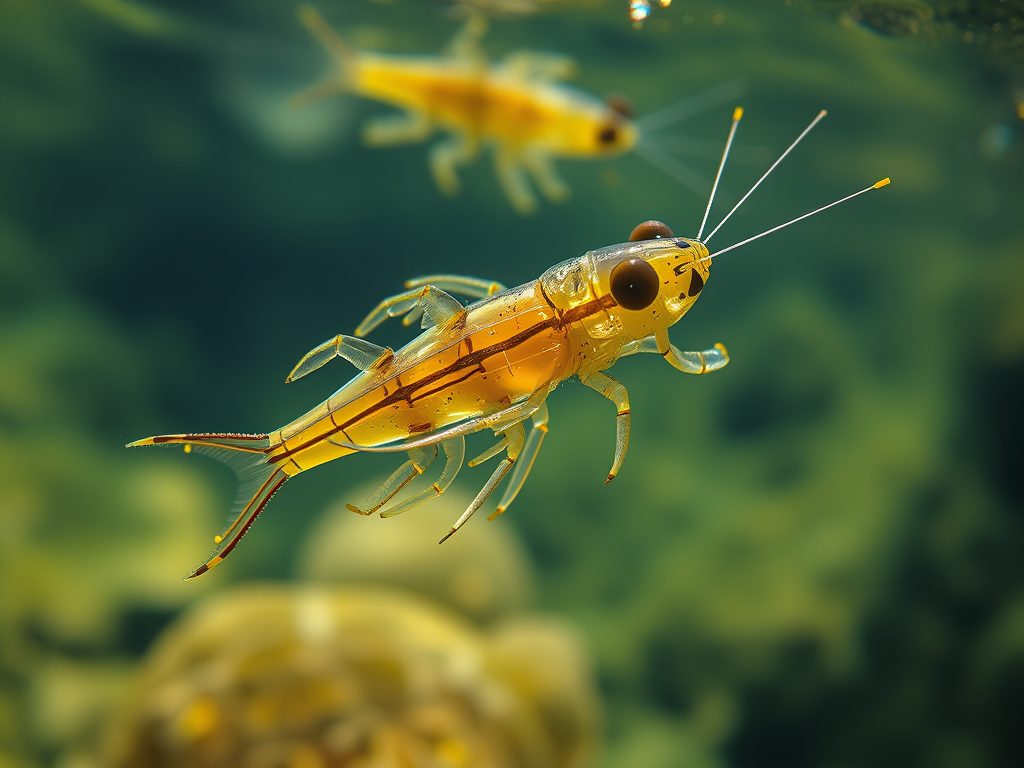
Many are just one cell, but some form chains or colonies. Zooplankton include baby crabs, jellyfish larvae, and tiny shrimp-like creatures — all made of soft cells, often with clear bodies.
How do they work?
Like leaves on a tree, phytoplankton use sunlight, water, and carbon dioxide to make sugar and oxygen — the air we breathe.

Where do they live?
In oceans, lakes, and rivers — mostly near the top where sunlight shines.
When did they start?
About 3.5 billion years ago. They were some of the first life on Earth. Over time, they filled the air with oxygen so animals (and us) could live.
Source:
Falkowski, P. G. (2012). The power of plankton. Nature.
Read it here
Why Plankton Is a Superhero
- Makes 50–80% of Earth’s oxygen → Every second breath you take? Thank plankton.
- Feeds the ocean → Fish, whales, and sharks all depend on it.
- Fights climate change → Soaks up CO₂ like a sponge.
- Supports 3 billion people who eat fish and seafood.
Fun Fact: All the trees on land make only ~20% of our oxygen. Plankton does the heavy lifting.
Meet Bees: Nature’s Tiny Farmers
What do bees do?
They fly from flower to flower, carrying pollen (like plant dust). This helps plants make fruits, seeds, and new plants.

Why are they important?
- 1 in 3 bites of food comes from bee pollination:
Apples Avocados Coffee Chocolate Almonds - 80% of flowering plants need bees to grow.
- Wild bees help forests and meadows stay healthy.
Source:
Klein, A. M., et al. (2007). Importance of pollinators. Proceedings of the Royal Society B.
Read it here
Trees: Earth’s Helpers (But Not the Only Ones)
- Make oxygen (but much less than plankton).
- Store carbon → cool the planet.
- Hold soil → stop floods and landslides.
- Give homes to birds, bees, and bugs.
- Provide wood, fruit, and medicine.
One big tree = oxygen for 4 people for one day.
But plankton = oxygen for the whole world.
What If They All Disappeared?
- If we lose plankton: Oceans turn empty → no fish → oxygen drops → hard to breathe in decades
- If we lose bees: No fruits or nuts → 70% of crops fail → worldwide hunger
- If we lose both: Food and air collapse → billions at risk in under 10 years
NASA says: Plankton is more important than all rainforests combined.
Why Are They Vanishing?
Plankton Is in Trouble Because:
- Oceans are getting too warm.
- Water is turning acidic from CO₂.
- Plastic and chemicals poison them.
- Overfishing removes helpers that spread nutrients.
Bees Are in Trouble Because:
- Pesticides (like neonicotinoids) harm their brains.
- Flowers are disappearing — replaced by farms and cities.
- Parasites (Varroa mites) attack hives.
- Climate change confuses flowering seasons.
Source on bee decline:
Lee, J. C., et al. (2021). A global synthesis of bee decline. Biological Reviews.
Read it here
What About Chemtrails?
The Claim: Some people say airplane “chemtrails” (long white lines in the sky) spray chemicals that kill bees and plankton. They argue chemtrails are real and point to whistleblower accounts as proof.
The Science Says:
Those lines are contrails — just frozen water vapor from plane engines.
But contrails themselves are studied extensively in real science, mainly for their climate effects.
Research shows they can trap heat in the atmosphere, acting like high-altitude clouds that contribute to warming — sometimes more than aviation’s CO2 emissions. Scientists are even exploring ways to avoid forming them, like changing flight paths, to reduce global warming.
For example, a 2024 study in Atmospheric Chemistry and Physics details how contrail cirrus clouds amplify climate impacts from air traffic.
Read the full study here
A Claimed Whistleblower Reference:
One popular story in chemtrail circles is a purported “confession” from a secret chemtrail pilot in a 2014 anonymous text, often shared on sites like Reddit and YouTube.
The pilot allegedly describes a black ops program called “Operation Indigo Skyfold,” claiming pilots are forced to spray aluminum oxide, barium salts, strontium, and other chemicals from modified aircraft under “national security” pretexts.
He says the sprays are for weather modification and population control, with pilots signing non-disclosure agreements and facing threats if they refuse. The text ends with the pilot urging the public to “wake up” before it’s too late.
This account has circulated widely in conspiracy communities but originates from an unverified, anonymous source with no corroborating evidence, and experts dismiss it as fiction.
Read the full text here (2014 video sharing the confession).
Why Isn’t “Chemtrail” Research Funded?
Scientists need funding. The government will not fund something that they are trying to proof is not real.
- Contrails are already studied
NASA, NOAA, and the EPA have tested contrails for decades.
Final Thought
Plankton = Earth’s lungs under the sea.
Bees = Earth’s farmers in the sky.
Trees = Earth’s helpers on land.
They’ve kept us alive for billions of years.
Now it’s our turn to keep them alive.
We can’t breathe, eat, or live without them.
But together? We can protect them.








Leave a Reply