


In 2018, Sesame Workshop, the nonprofit behind Sesame Street, partnered with the International Rescue Committee (IRC) to launch Ahlan Simsim, an Arabic-language children’s television program aimed at supporting children affected by conflict in the Middle East, particularly in Iraq, Jordan, Lebanon, and Syria. The show, translating to “Welcome Sesame” in English, premiered on February 2, 2020, on MBC3, a channel owned by the Saudi-based MBC Group, a leading media conglomerate in the region.
While Ahlan Simsim has reached over 27 million children with its educational content, questions have emerged regarding the financial arrangements behind its production, particularly the role of USAID’s $20 million grant and MBC Group’s involvement.
Production and Premiere of Ahlan Simsim
The development of Ahlan Simsim began in 2018 as part of a broader initiative to provide early childhood education and psychosocial support to children in crisis-affected areas.
Production likely started between 2018 and late 2019 to meet the February 2020 premiere date on MBC3. The show features beloved Sesame Street characters alongside new ones, like Jad and Basma, tailored to address themes of literacy, hygiene, and social-emotional skills relevant to Middle Eastern audiences.
By early 2025, the program had directly supported over 3 million children and caregivers, with its TV broadcasts reaching millions more across the region.
USAID’s $20 Million Investment
In July 2021, USAID committed $20 million to Sesame Workshop to fund Ahlan Simsim through 2027, with approximately $11 million disbursed by early 2025.
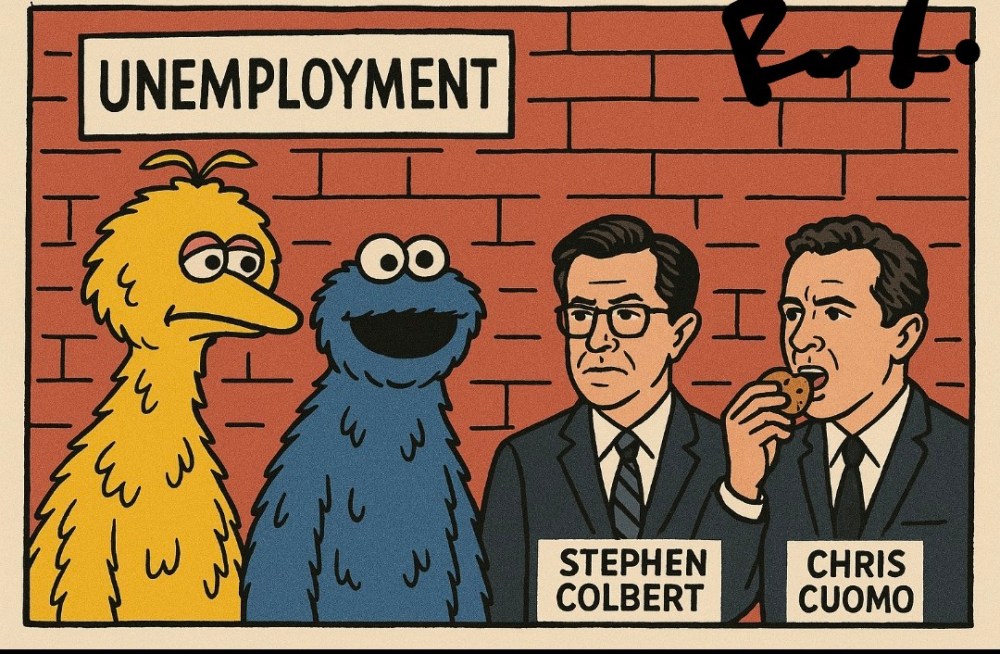
This funding was intended to adapt and expand the program to meet the needs of children in Iraq and other conflict zones. However, the allocation has drawn scrutiny, with critics questioning the necessity of such a large investment for a television show and whether the funds were used effectively.
MBC Group’s Role and Profit Questions
MBC3, a children’s channel under MBC Group, serves as the primary broadcaster for Ahlan Simsim. While MBC Group is a major player in Middle Eastern media, there is no publicly available data specifying how much profit, if any, MBC Group derived from airing Ahlan Simsim.

The show’s production was primarily handled by Sesame Workshop and its partners, with MBC3 acting as a distribution platform. It’s unclear whether MBC Group received direct payments from USAID’s $20 million grant or if their involvement was limited to broadcasting rights, which could generate revenue through advertising or sponsorships.
The lack of transparency around MBC’s financial stake has fueled skepticism about the partnership, with critics questioning why a private media giant was involved in a publicly funded humanitarian project.
Why MBC Group’s Involvement?
MBC Group’s participation likely stems from its extensive reach and infrastructure across the Middle East.
MBC3 is a well-established children’s channel, making it a strategic partner for distributing Ahlan Simsim to a wide audience.
But the decision to partner with a commercial entity like MBC Group, rather than a public or nonprofit broadcaster, has raised eyebrows, especially given USAID’s funding.
Critics argue that a nonprofit or local broadcaster might have aligned more closely with the program’s humanitarian goals, avoiding perceptions of profit-driven motives.
Five Other Questionable USAID Expenditures
The controversy surrounding Ahlan Simsim is part of broader criticism of USAID’s spending practices. Here are five other USAID-funded projects that have been flagged as questionable:
- $11 Million to Instruct Vietnam on Waste Management: USAID allocated $11 million to teach Vietnam to stop burning trash, a project criticized as excessive given the country’s existing efforts to address waste management locally.
- $1.5 Million for DEI Musical in Africa: USAID funded a diversity, equity, and inclusion (DEI)-themed musical in an African country, raising questions about the prioritization of cultural initiatives over basic needs like food or healthcare.
- $5.5 Million for Climate Awareness Campaigns: USAID spent $5.5 million on climate awareness programs in regions with limited infrastructure, where critics argue funds could have been better directed toward immediate humanitarian relief.
- $10 Million for Gender Equality Workshops in Conflict Zones: While promoting gender equality is a noble goal, USAID’s $10 million investment in workshops in unstable regions has been criticized for lacking measurable outcomes and diverting resources from urgent needs like shelter and medical care.
- $15 Million for Cultural Preservation in Afghanistan: USAID funded cultural preservation projects in Afghanistan, which some argue was misaligned with the country’s immediate post-conflict needs, such as rebuilding infrastructure or addressing food insecurity.
The Ahlan Simsim funding has become a lightning rod for broader debates about USAID’s priorities, especially under the Biden-Harris administration.
Calling the $20 million expenditure wasteful, arguing that U.S. taxpayer dollars should not fund international television productions.
Recent developments have added fuel to the controversy. In February 2025, posts on X noted that funding for Ahlan Simsim was at risk of being cut under budget reviews led by figures like Elon Musk, reflecting growing political pressure to scrutinize USAID’s spending.
The John D. and Catherine T. MacArthur Foundation is a private, independent grantmaking foundation established by John D. MacArthur and his wife, Catherine, in 1978. Here is where it gets interesting.
It is not publicly traded, so it does not have shareholders in the traditional sense. Instead, it is governed by a Board of Directors and led by a president who oversees its operations and grantmaking activities.
- Ownership: The MacArthur Foundation is a nonprofit entity funded by the estate of John D. MacArthur, who was the sole owner of Bankers Life and Casualty and other businesses. Upon his death in 1978, he left over $1 billion in assets to establish the foundation, with no individual or corporate owners holding stock. The foundation’s endowment, valued at approximately $9 billion as of 2025, is managed to support its philanthropic mission.
- Leadership:
- President: John Palfrey has been the President of the MacArthur Foundation since September 2019, responsible for leading its strategic direction and operations.
- John Palfrey, President of the John D. and Catherine T. MacArthur Foundation, has been linked to several politicians, primarily through his professional roles and political contributions:
- Kamala Harris: Palfrey donated $3,300 to her campaign in July 2024, as recorded by OpenSecrets.
- Barack Obama: Palfrey is associated with the Obama Foundation, indicating a connection through his involvement in philanthropy and civic engagement.
- Board of Directors: The foundation’s first Board of Directors, appointed by John D. MacArthur, included his wife, Catherine; his son, J. Roderick MacArthur; and other associates like Kirby. The current board oversees governance but is not publicly detailed in the provided sources.
- Chief Investment Officer: Bola Olusanya was named Vice President and Chief Investment Officer in 2025, overseeing the foundation’s nearly $9 billion endowment with a target return of 5%.
- Relevance to Ahlan Simsim: The MacArthur Foundation provided significant funding for Ahlan Simsim through its 100&Change competition, supporting Sesame Workshop and the International Rescue Committee (IRC) in delivering educational content to children in crisis-affected areas. The foundation’s role is strictly as a funder, with no operational control over the program.
No individuals or entities “own” the MacArthur Foundation; it operates as a nonprofit with its endowment managed by its leadership and board to fulfill its mission of supporting creative people and effective institutions.
Ahlan Simsim represents a well-intentioned. But its $20 million USAID funding and MBC Group’s role have sparked legitimate questions about transparency, efficiency, and priorities.
While the show has undoubtedly reached millions, the lack of clarity on MBC’s financial benefits and the broader context of USAID’s questionable expenditures highlight the need for greater accountability in how taxpayer dollars are spent.
As debates continue, Ahlan Simsim remains a study in the intersection of humanitarian aid, media partnerships, and public funding and maybe some for-profit private greed?
Was the $20 million worth it for a children’s show that someone, somewhere is still profiting from?
A Clip of the Iraqi Sesame Street Show, that you spent your tax dollars on.
Like this expose of governmental and corporate alleged fraud? Subscribe below for more.
For more information on USAID’s funding, visit usa.gov or contact Sesame Workshop for details on Ahlan Simsim’s impact.





Leave a Reply