


The term “deep state” has been buzzing lately. It refers to a supposed hidden network of unelected officials or insiders who secretly pull the strings behind the scenes, often against elected leaders. From conspiracy theories to serious critiques, it’s a phrase that stirs debate. Here’s a look at five politicians, famous people, or media personalities who brought it up this week, what they said, and what their words might mean—plus a deep dive into New York City Mayor Eric Adams’ recent take on it.
1. Benjamin Netanyahu – Israeli Prime Minister
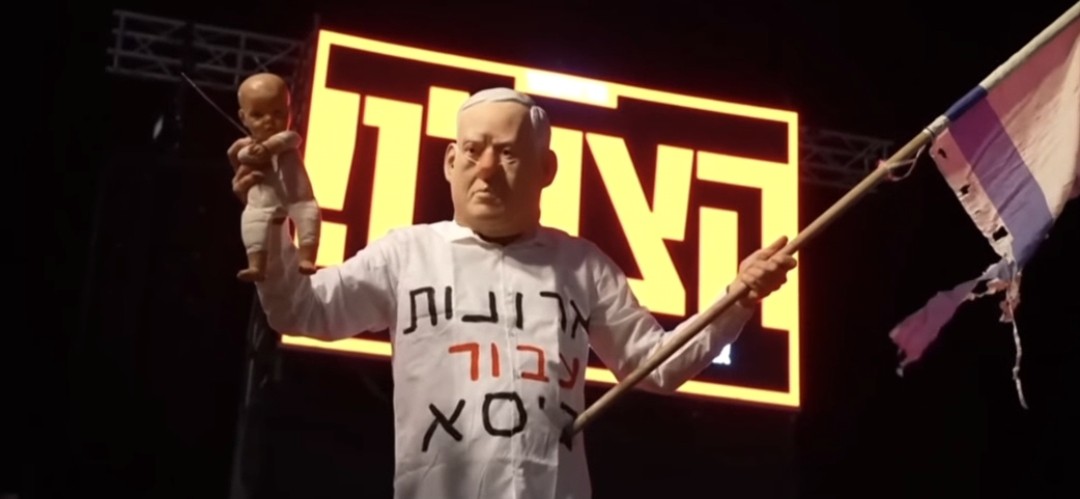
What He Said: In March 2025, Netanyahu posted on his official X account: “In America and in Israel, when a strong right-wing leader wins an election, the leftist Deep State weaponized the justice system to thwart the people’s will.” Elon Musk replied with a “100” emoji, showing agreement. Netanyahu later deleted the post from his official account and reposted it on his personal one.
What It Means: Netanyahu, a conservative leader, is suggesting that a shadowy group—here labeled as “leftist”—uses legal tools to undermine right-wing politicians like himself or Donald Trump. He’s implying that this “deep state” isn’t just bureaucrats but a politically motivated force that overrides democracy. By moving the post to his personal account, he might have been trying to soften its official weight while still standing by the idea. This reflects his ongoing battles with legal challenges in Israel and his alignment with Trump’s narrative in the U.S.
2. Eric Adams – New York City Mayor
What He Said: In an April 3, 2025, interview on Andrew Schulz’s podcast Flagrant, Adams declared, “It’s not used too much. It’s real, brother,” when Schulz suggested the term “deep state” is overblown. Adams went on to praise Kash Patel’s book Government Gangsters, saying, “What this ‘deep state’ is about and why it’s so important for Americans that we cannot have a weaponizing of our prosecutorial powers.”
What It Means: Adams is arguing that the “deep state” isn’t just a buzzword—it’s a real, entrenched group within government that resists elected leaders and misuses power, like prosecutors targeting people unfairly. His nod to Patel, a Trump ally and FBI director pick, shows he’s buying into a view popular among conservatives: that career officials thwart outsider politicians. This is a big shift for Adams, who’s historically been a Democrat, and it ties into his recent political moves (more on that below).
3. Kash Patel – FBI Director Nominee
What He Said: While not directly quoted from March 15 to April 4, 2025, Patel’s influence surged during this period as Adams spotlighted his 2023 book Government Gangsters on April 3. In it, Patel describes the “deep state” as a network of government insiders and elites working against democratic will, a theme Adams echoed.
What It Means: Patel, a Trump loyalist, frames the “deep state” as a mix of bureaucrats, intelligence officials, and powerful players who prioritize their own agendas over the public’s choice. His ideas resonate with those who feel the system rigs itself against change-makers. Adams amplifying Patel’s work suggests this view is gaining traction beyond just Republican circles, even among former Democrats like him.
4. Andrew Schulz – Comedian and Podcast Host
What He Said: On his April 3, 2025, Flagrant podcast, Schulz told Adams, “The term ‘deep state’ is used too much,” prompting Adams’ rebuttal.
What It Means: Schulz isn’t claiming the “deep state” exists or doesn’t—he’s pointing out it’s thrown around so often it might lose meaning. His comment reflects a broader cultural fatigue with conspiracy-laden terms, especially in media circles. But by challenging Adams, he opened the door for the mayor to double down, showing how divisive and personal the idea has become. Schulz’s role here is less about belief and more about sparking debate.
5. Elon Musk
What He Said: In March 2025, Musk responded to Netanyahu’s X post with a “100” emoji, signaling full agreement with the “deep state” claim.
What It Means: Musk, a billionaire with massive influence, is endorsing the notion that a hidden force undermines elected leaders—specifically right-wing ones. His simple emoji carries weight because of his vocal support for Trump and his push (with Vivek Ramaswamy) to cut government bureaucracy via the “Department of Government Efficiency.” Musk’s stance suggests the “deep state” isn’t just a political issue but a structural one he wants to dismantle, aligning with his outsider image.
Eric Adams: His Stance, Party Shift, and Democratic Fallout
Adams’ Current View on the Deep State: Adams firmly believes the “deep state” is real, as his podcast comments show. He sees it as a persistent government faction that outlasts elected officials and abuses power, like through biased prosecutions. His endorsement of Patel’s book ties him to Trump.
Mayor Eric Adams announced on April 3 that he’s skipping the Democratic primary to run for reelection as an independent. He told POLITICO he’ll “mount a real independent campaign” focused on public safety and ethnic minority voters. He said that this move doesn’t make him a Republican, but —him attending his January 2025 inauguration—has fueled speculation. He’s said, “The (Democratic) party left me,” hinting at a philosophical split without a formal party switch.
Over the past year, Adams’ relationship with Democrats has crumbled. In September 2024, he faced federal corruption charges (later dismissed in February 2025 by Trump’s DOJ), which alienated many in his party. His tough-on-crime policies and criticism of progressive bail reforms—like blaming Andrew Cuomo for crime spikes—put him at odds with the left wing.
His Trump-friendly actions, like meeting him at Mar-a-Lago, united Democrats against him. By February 2025, figures like Rep. Alexandria Ocasio-Cortez called for his removal, and even Gov. Kathy Hochul considered ousting him. His April 2025 independent run is a bid to escape this fallout, but with a 20% approval rating, he’s on shaky ground in a Democrat-heavy city.
From Netanyahu’s global take to Adams’ local fight, the “deep state” talk show, describes how the idea bridges politics, media, and power struggles. For some, it’s a real threat to democracy; for others, it’s a convenient scapegoat.
Adams’ journey—from Democratic mayor to independent “deep state” critic—highlights how personal and political battles can reshape the narrative, especially when Democrats turn on their own. Whether it’s a shadowy cabal or just government inertia, the term’s staying power is undeniable.







Leave a Reply