


Note. The “No Kings” protests are going to be taking place across the U.S on Saturday June 14th: Protests are planned in small communities and suburbs across the nation. You can visit nokings.org to see if you need to plan accordingly and avoid disturbances, street or business closures in your area.
Chicago’s Streets Are Joining the Protests Happening Nationwide
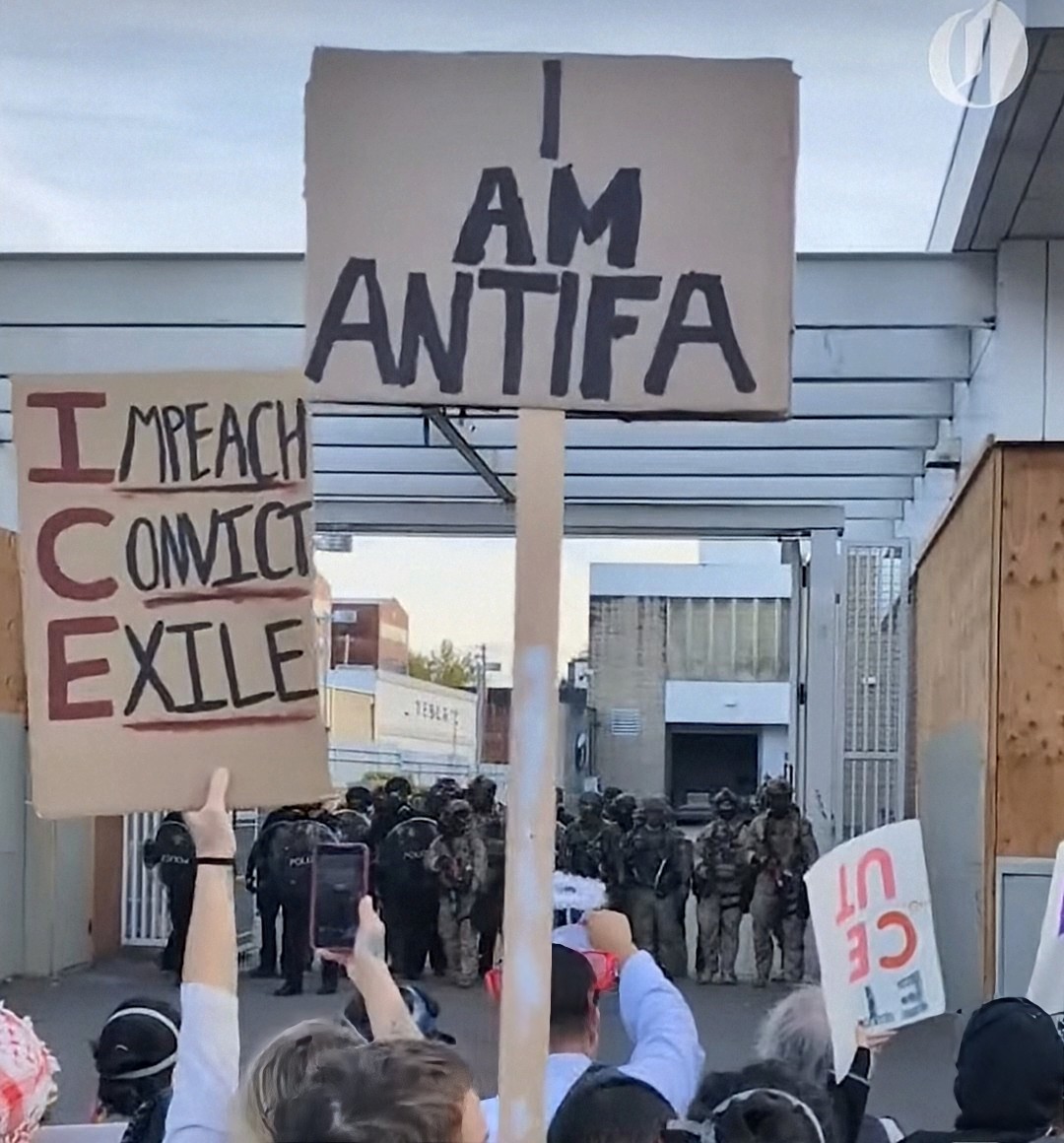
These demonstrations, centered in the downtown Loop, reflect concern over immigration enforcement.
The current wave of anti-ICE protests kicked off in Chicago on Tuesday, June 10, 2025, with a major rally organized by the Illinois Coalition for Immigrant and Refugee Rights (ICIRR) and other advocacy groups.
Demonstrators gathered at Federal Plaza in the Loop, launching a series of marches that have continued through June 12, 2025, with more planned for the weekend.
Key Areas and Intersections Affected
The protests have primarily taken place in Chicago’s downtown Loop, causing significant street closures and traffic disruptions.
Key areas include:
- Federal Plaza: The starting point for the initial anti-ICE rally on June 10.
- Michigan Avenue: A major thoroughfare where protesters marched, leading to closures around intersections like Michigan and Wacker Drive.
- State Street at Lake Street: A focal point on June 12, where police monitored a large gathering around 5:30 p.m.
- Chicago Theatre vicinity: Protesters passed this iconic landmark during their marches.
These closures have impacted downtown traffic, with police redirecting vehicles to maintain order.
While the protests were peaceful during the early afternoon of June 10, some incidentshave escalated into violent clashes, casting a shadow over the city’s streets.
Demonstrators, rallying against federal ICE operations, have engaged in confrontations with law enforcement, resulting in injuries and property damage.
Reports indicate chaotic scenes, with some protesters throwing paint and liquids at police vehicles, while a 66-year-old woman was injured after being struck by a car amid the unrest.
Tensions have been exacerbated by what local authorities describe as “outside agitators” inciting disorder, prompting a heavy police response to maintain order.
These events have reignited debates about protest rights versus public safety, with many residents frustrated by the spillover of violence into their communities.
Public officials have condemned the violence while acknowledging the complexities of the situation. U.S. Senator Dick Durbin stated, “I condemn violence, vandalism, including violence against law enforcement. There is no place in legitimate protests for that to occur,” reflecting a call for peaceful demonstrations.
Despite efforts by some protesters to de-escalate, shouting “no violence” during heated moments, the unrest has strained local resources, pulling police from other neighborhoods where crime continues unabated, with 17 arrests made on June 10.
The city now faces the challenge of balancing free expression with preventing further violence.
Additionally, 23 businesses were looted on the following Monday, indicating some spillover into property damage, though it’s unclear if this was directly tied to the protests.
Tensions between law enforcement and demonstrators have been high.
The protests are led by a coalition NGO groups, with the Illinois Coalition for Immigrant and Refugee Rights (ICIRR) at the forefront.
Other participants include local activists, community organizers, and Chicago residents, with estimates of tens of thousands marching on June 10.
The Chicago Police Department has been heavily involved in managing the crowds, with some criticism from advocates over their tactics.

Important Information: Chicago’s Response
The city of Chicago is bracing for continued unrest, with officials increasing police presence downtown. Mayor Brandon Johnson has publicly addressed the protests, emphasizing the city’s commitment to balancing public safety with the right to free expression.
Businesses in the Loop have been advised to prepare for potential disruptions, and some have boarded up windows as a precaution following the reported looting incidents.
Quote from Mayor Brandon Johnson:
“Chicago is a city that values free speech, but we also prioritize the safety of our residents and businesses. We’re working to ensure these protests remain peaceful while addressing the concerns raised by our communities,” Johnson said in a statement on June 11, 2025.
More Context: The Broader Movement
Organizers are using social media platforms like X to coordinate and spread their message, with posts calling for continued action through the weekend. The protests have drawn national attention, with comparisons to other cities experiencing similar unrest over immigration policies.
Mayor Brandon Johnson:
“We hear the voices of those marching, and we’re committed to working with community leaders to address these issues. But violence and destruction are not the answer,” Johnson stated during a press conference on June 12, 2025, addressing the reported clashes and looting.
No Kings Day Protests on Saturday, June 14
The city is preparing for additional protests on Saturday, June 14, 2025, dubbed “No Kings” Day.
Left leaning demonstrations are expected to continue the anti-ICE and anti-Trump themes, with organizers planning to gather in the Loop again.
The “No Kings” protests are going to be taking place all over the U.S. on June 14th. Protests are planned in small communities and suburbs across the nation.
You can visit nokings.org to see if you need to plan accordingly and avoid disturbances, street or business closures in your area.
City officials in Chicago have warned of increased security measures, with 17 arrests already made during the June 10 protests serving as a prelude to heightened tensions.
Additional Important Information
The protests have disrupted daily life in Chicago, with public transit delays reported due to street closures. The Chicago Transit Authority (CTA) has advised commuters to avoid certain downtown routes during peak protest hours.
Local businesses, particularly along Michigan Avenue, are experiencing reduced foot traffic, prompting some to close early.
More Details
- Historic Scale: The June 10 rally drew an estimated 20,000 to 30,000 participants, making it one of the largest anti-ICE demonstrations in Chicago’s recent history.
- Diverse Coalition: The protests include a wide range of groups, from immigrant rights organizations to labor unions, reflecting a broad coalition united by shared goals.
- Social Media Amplification: Organizers have leveraged X extensively, with hashtags like #NoICEChicago and #NoKingsDay trending locally, amplifying the movement’s reach.
Final Notes: What’s Next?
As Chicago heads into the weekend, the “No Kings” Day protests are expected to draw large crowds and protests.
The city remains on edge, with officials urging calm protests throughout the next several days.
Residents and visitors are advised to stay updated on road closures and transit changes via the city’s official channels.
Sources compiled from various news broadcasts, quotes and media.








Leave a Reply