


On July 10, 2025, a major Immigration and Customs Enforcement (ICE) raid on two cannabis farms in Southern California uncovered a case of child labor and sparked heated protests.
While federal agents rescued eight unaccompanied migrant children from exploitation, some media outlets framed the operation as an attack on innocent farmworkers.
What Happened at the Marijuana Farms?
Federal agents, backed by the National Guard, raided two Glass House Farms facilities in Camarillo and Carpinteria, California, on July 10, 2025.
The operation targeted suspected immigration and labor violations, including the use of undocumented workers and child labor. During the raid, agents discovered ten undocumented minors, eight of whom were unaccompanied, working at the Camarillo site.
The Department of Homeland Security (DHS) reported that these children were potentially victims of exploitation, forced labor, or human trafficking. The farm is now under investigation for child labor violations.
The raids led to the arrest of approximately 200 undocumented workers, marking one of the largest single-day immigration crackdowns in California’s history.
Protesters clashed with federal agents, escalating tensions. One individual allegedly fired a pistol at officers, prompting the FBI to offer a $50,000 reward for information leading to their conviction.
Tear gas and less-lethal munitions were used to disperse crowds, and several injuries were reported, with eight people transported to hospitals.
The raids targeted Glass House Farms, a state-licensed cannabis operation with facilities in Camarillo (Ventura County, about 60 miles northwest of Los Angeles) and Carpinteria (Santa Barbara County, about 90 miles northwest of Los Angeles).
The Camarillo facility, a massive greenhouse complex, spans over 5 million square feet, making it one of the largest licensed cannabis farms in California.
The company, which bought the property from Houweling’s Tomatoes in 2021, uses part of the space for cannabis and part for tomatoes and cucumbers.
Glass House Farms describes itself as one of the fastest-growing vertically integrated cannabis companies in the U.S. Despite being legal under California law, cannabis cultivation remains illegal under federal law, which likely prompted the ICE investigation into labor practices.
Glass House Farms was founded by a group of entrepreneurs, including Graham Farrar, the company’s president and a significant donor to California Democrats, including Governor Gavin Newsom and Representative Salud Carbajal.
The company capitalized on California’s 2018 legalization of recreational cannabis, establishing large-scale operations in Ventura and Santa Barbara counties.
The Camarillo site, previously a tomato farm, was repurposed for cannabis due to its existing greenhouse infrastructure and proximity to agricultural hubs, ideal for large-scale cultivation.
The farm’s location in Ventura County, a region with a strong agricultural economy, made it a logical choice for cannabis production. However, its reliance on undocumented labor, including minors, raised red flags under federal law, leading to the ICE raid.
How Did the Kids End Up There?
The eight unaccompanied migrant children, some as young as 14, were found working at the Camarillo facility. While specific details about how they ended up there are unclear, DHS officials suspect they were victims of exploitation or trafficking.
Many unaccompanied minors cross the U.S. border seeking better opportunities, only to be coerced into illegal work environments. The farm’s operators allegedly employed these vulnerable children, violating federal child labor laws.
What Happened to the Kids After the Rescue?
The rescued children were taken into federal custody for their safety. DHS and Customs and Border Protection (CBP) are working to ensure they receive proper care and protection, likely through coordination with child welfare agencies.
The exact status of the children remains undisclosed, but authorities emphasized their commitment to preventing further exploitation.
Who Was Arrested?
Around 200 undocumented workers were detained during the raids across both sites. Additionally, four U.S. citizens were arrested for assaulting or resisting federal officers during the protests.
The individual who allegedly fired a pistol at agents remains at large, with the FBI actively investigating.
Protests and Shots Fired
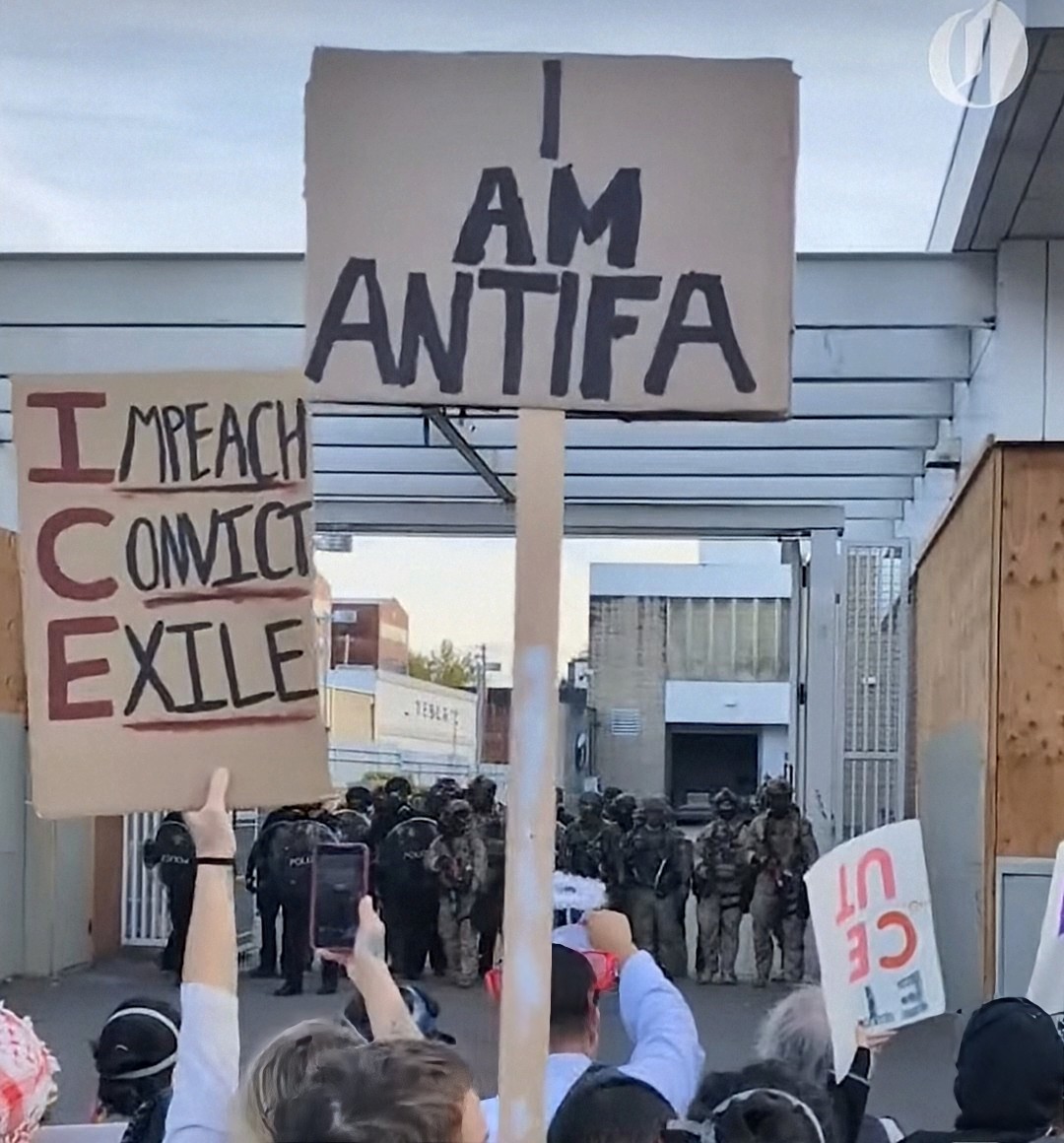
The raids sparked significant backlash, with over 500 protesters gathering at the Camarillo site and a smaller group in Carpinteria.
Protesters blocked roads, threw rocks, and smashed windows of federal vehicles, prompting agents to deploy tear gas, smoke canisters, and less-lethal methods.

The situation escalated when one protester allegedly fired a handgun at federal agents, captured on video by local news. No injuries were reported from the shooting, but the incident intensified the chaos.
Representative Salud Carbajal, a Democrat, attempted to access the Carpinteria site for oversight but was denied entry, calling the operation “disproportionate” and “overkill.”
Protesters, including members of the 805 Immigration Coalition, expressed outrage, claiming the raids targeted hardworking families.
Governor Newsom’s Response
Governor Gavin Newsom condemned the raids, focusing on the use of tear gas and the impact on families. In a post on X, he shared a video of protesters fleeing tear gas, stating, “Kids running from tear gas, crying on the phone because their mother was just taken from the fields. Trump calls me ‘Newscum’ — but he’s the real scum.” Newsom also accused White House Deputy Chief of Staff Stephen Miller of orchestrating the raids to sow “chaos, fear, and terror.”
In response, DHS fired back, asking, “Why are there children working at a marijuana facility, Gavin?”
Media Spin: Left-Wing vs. Right-Wing Responses
Left-Wing Media (e.g., CNN): Outlets like CNN framed the raids as overly aggressive, emphasizing the use of tear gas and the disruption to farmworker communities.
They highlighted Newsom’s and Los Angeles Mayor Karen Bass’s criticisms, portraying the operation as targeting vulnerable immigrants rather than addressing criminal activity. Some reports, like those from Representative Jimmy Gomez, falsely suggested the farm was a berry operation, downplaying the illegal cannabis angle.
Right-Wing Media (e.g., Fox News, Breitbart): Conservative outlets praised ICE for rescuing children from exploitation and criticized Newsom for defending the farm.
They highlighted the child labor violations and the violence against federal agents, framing the protests as attacks on law enforcement. Fox News reported CBP Commissioner Rodney Scott’s statement: “This is Newsom’s California,” emphasizing the state’s lax oversight. Breitbart accused Newsom of protecting child labor by opposing the raid.
Why Wasn’t Action Taken Before?
The farm operated legally under California law, but its federal illegality and labor practices went unchecked until the recent surge in immigration enforcement under the Trump administration.
California’s sanctuary policies and resistance to federal oversight may have delayed scrutiny.
Additionally, the farm’s political connections, including donations from its president, Graham Farrar, to Newsom and other Democrats, raised questions about local enforcement priorities.
What Happens to the Marijuana Farm Now?
Glass House Farms stated it fully complied with the ICE warrants and is cooperating with authorities. The farm remains under investigation for child labor violations, and its future operations may face stricter federal scrutiny.
While California law permits cannabis cultivation, federal authorities could seize assets or shut down the farm if evidence of trafficking or other crimes is confirmed. The company’s reputation has taken a hit, with investor Marc Cohodes calling the raids “beyond outrageous.”
The raids reflect a broader push by the Trump administration to ramp up deportations, targeting 3,000 arrests daily.
The involvement of the National Guard and other agencies like the FBI signals a militarized approach, sparking debate over tactics.
Critics, including Newsom and Bass, argue the raids instill fear in immigrant communities, while supporters, like CBP Commissioner Rodney Scott, emphasize the need to combat exploitation.
The incident also highlights tensions between California’s sanctuary policies and federal immigration law.
Tragically, one farmworker reportedly died after falling several stories from a greenhouse at the Camarillo site, though details remain limited.
For Official Statements From Homeland Security, visit:
While the rescue of exploited children is a clear win, the violent protests and media spin reveal deep divisions in how these operations are perceived.
What’s clear is that vulnerable minors should never be working in such conditions, and the truth should cut through the noise.
Illegal marijuana farms are a significant issue in various parts of the United States, particularly in states with lenient cannabis laws or remote areas that make enforcement challenging. Below is a list of cities outside California known for illegal marijuana cultivation, based on available information. Each entry includes the city, state, a brief explanation of why it’s known for illegal grows, and a reliable source link for further reading. All cities listed are in the United States.
Cities Known for Illegal Marijuana Farms (Outside California)
Antioch, Oregon
- Why Known: Antioch has emerged as a hub for covert indoor illegal marijuana grow operations, often hidden in upscale residential homes.
- Authorities have raided numerous grow houses, with estimates suggesting hundreds may still operate, linked to organized crime, including Chinese criminal syndicates. Oregon’s relaxed cannabis laws and proximity to states with stricter regulations contribute to the issue.
Sallisaw, Oklahoma
- Why Known: Oklahoma’s medical marijuana market, established in 2018, has led to a surge in illegal grows due to low barriers to entry and minimal regulation. Sallisaw, a rural city, has seen large-scale illegal operations, some tied to Chinese investors and criminal networks, producing high-potency cannabis for black-market distribution.
Grants Pass, Oregon
- Why Known: Southern Oregon, including Grants Pass, has become a hotspot for illegal marijuana cultivation due to its favorable climate and history of cannabis culture.
- Illegal grows often operate on private and public lands, exploiting Oregon’s legal cannabis market and exporting to states where marijuana remains illegal.
Taos, New Mexico
- Why Known: New Mexico’s rural areas, like Taos, have seen a rise in illegal marijuana farms, particularly after recreational cannabis legalization in 2021. The state’s remote landscapes and proximity to states with stricter laws (e.g., Texas) make it attractive for black-market grows, often linked to organized crime.
Skowhegan, Maine
- Why Known: Maine’s rural regions, including Skowhegan, have reported significant illegal marijuana cultivation, often tied to Chinese-organized crime groups. A 2024 report highlighted 270 suspected illegal grows in Maine, generating billions in revenue, far outpacing the state’s legal market.
- Why These Cities? These locations are noted for illegal marijuana farms due to a combination of factors: lenient state laws, rural or remote geography, proximity to states with stricter cannabis regulations, and involvement of organized crime.
- Oregon, Oklahoma, New Mexico, and Maine have seen increased illegal activity since legalizing medical or recreational cannabis, as black-market operators exploit regulatory gaps.
- Environmental and Social Impact: Illegal grows often cause environmental damage (e.g., water theft, pesticide use) and are linked to issues like forced labor and violent crimes.
Comment below.








Leave a Reply