


In recent months, several news outlets have found themselves under scrutiny as government agencies and political figures question their operations, funding, and editorial practices.
Among the most notable targets are National Public Radio (NPR) and the Public Broadcasting Service (PBS), two publicly funded media organizations facing intense investigations. This article explores which news outlets are being investigated, who is leading the probes, the reasons behind them, and what this could mean moving forward—all while weaving in key quotes from politicians driving the effort.
Which News Outlets Are Being Investigated?
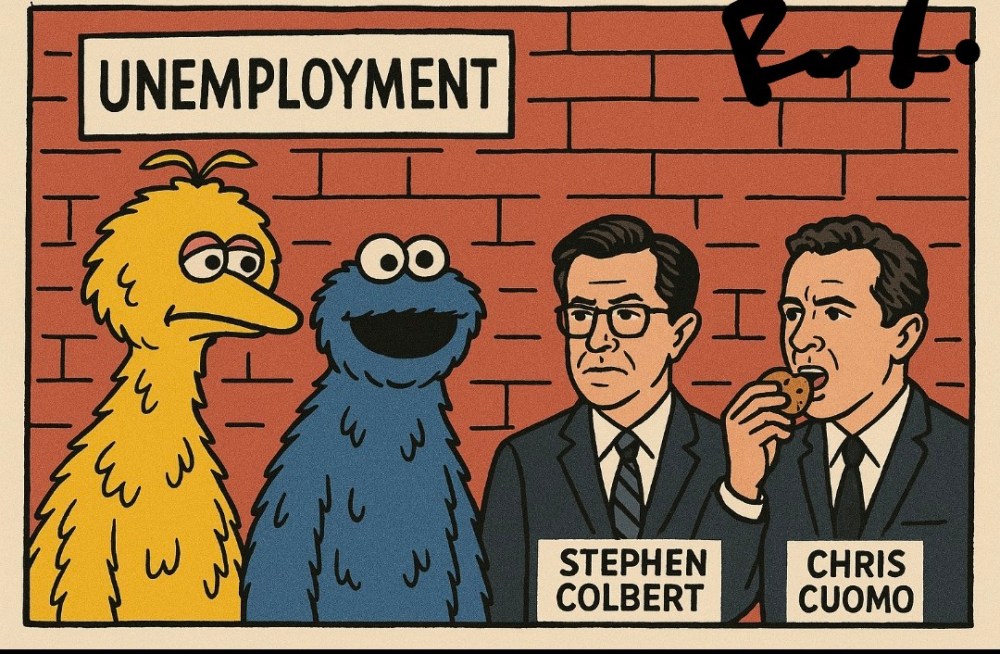
Currently, NPR and PBS dominate headlines as the primary news outlets under investigation. These organizations, known for their journalism and educational programming, have long received financial support from the U.S. government.
However, they’ve drawn criticism from certain political factions, particularly Republicans, who allege bias in their reporting and question the justification of their taxpayer funding. Beyond NPR and PBS, other government-funded broadcasters like Voice of America have faced scrutiny, though the spotlight remains brightest on these two public media giants.
Who Is Investigating Them?
The investigations into NPR and PBS are multifaceted, involving both congressional committees and federal agencies.
The House Subcommittee on Delivering on Government Efficiency (DOGE), chaired by Rep. Marjorie Taylor Greene (R-Ga.), has taken a leading role. This subcommittee, aligned with President Donald Trump’s efficiency-driven agenda and influenced by Elon Musk’s cost-cutting ethos, held a high-profile hearing on March 26, 2025, grilling NPR CEO Katherine Maher and PBS CEO Paula Kerger.
Additionally, the Federal Communications Commission (FCC), led by Trump appointee Brendan Carr, has launched its own probe into whether these outlets violated regulations by airing content resembling commercials.
Why Are NPR and PBS Under Investigation?
The core accusations against NPR and PBS revolve around allegations of political bias and misuse of public funds.
Critics, primarily from the Republican Party, argue that these outlets exhibit a left-leaning slant, failing to represent the full spectrum of American viewpoints.
Specific grievances include NPR’s coverage of the Hunter Biden laptop story, which CEO Katherine Maher admitted during testimony should have been more thorough, and PBS’s programming choices, such as a misrepresented incident involving a drag queen on a local station’s website, which Rep. Greene falsely claimed aired on a children’s show.
Politicians have been vocal about their concerns. Rep. Marjorie Taylor Greene stated during the DOGE hearing, “NPR and PBS have increasingly become radical, left-wing echo chambers for a narrow audience of mostly wealthy, white, urban liberals and progressives who generally look down on and judge rural America.” She further asserted, “I want to hear why NPR and PBS think they should ever again receive a single cent from the American taxpayer,” citing their handling of major stories like COVID-19 origins and alleged Russian collusion.
Rep. Ronny Jackson (R-Texas), who introduced a bill to defund NPR and PBS, echoed this sentiment: “After a hard-hitting hearing by the House DOGE Subcommittee, [we’re] pulling all government funding from ‘chronically biased’ outlets NPR and PBS, which have been pushing Democrat talking points under the fake banner of ‘public media.’
President Trump himself weighed in, saying on March 25, 2025, “I would love to do that,” when asked about cutting their funding, calling it “very unfair” and a “waste of money.”
The FCC’s investigation, meanwhile, focuses on a narrower issue: whether NPR and PBS stations breached federal rules by broadcasting corporate sponsorship messages too akin to advertisements, a charge that could jeopardize their non-commercial status.
How Much Government Funding Do NPR and PBS Receive?
NPR and PBS receive significant financial support from the U.S. government, primarily through the Corporation for Public Broadcasting (CPB), a publicly funded entity that Congress allocates roughly $535 million annually in recent budgets. This money, derived from U.S. tax dollars, is distributed mostly to local public television and radio stations, with portions supporting NPR and PBS national programming.
For NPR, direct federal funding accounts for less than 1% of its budget, though indirect funding—via grants and fees from local stations that rely on CPB money—brings the total closer to 3%.
PBS, however, depends more heavily on government support, with approximately 16% of its budget coming from the CPB. Rural stations, in particular, can draw up to 50% of their revenue from these federal funds, making them especially vulnerable to any cuts.
Does the Money Come From U.S. Tax Dollars?
Yes, the funding for NPR and PBS through the CPB originates from U.S. tax dollars. The CPB’s annual appropriation is approved by Congress, meaning American taxpayers collectively foot the bill.
This fact fuels the debate, as critics argue that taxpayers shouldn’t subsidize media they perceive as partisan, while supporters emphasize the public service value of accessible, independent journalism and educational content.
The future of NPR and PBS funding hangs in the balance. Rep. Jackson’s bill to eliminate all government support for the CPB is gaining traction among Republicans, bolstered by Trump’s public endorsement.
If passed by Congress and signed into law, it would sever the $535 million lifeline, forcing NPR and PBS to rely entirely on private donations and corporate sponsorships—a shift that could disproportionately harm smaller, rural stations.
The FCC’s investigation adds another layer of uncertainty. Should it find NPR and PBS in violation of advertising rules, penalties or operational changes could follow, further straining their finances.
Meanwhile, public opinion remains divided. A Pew survey from March 26, 2025, found 43% of Americans support maintaining current funding levels, while 24% favor cuts, with stark partisan divides—44% of Republicans want funding ended, compared to just 5% of Democrats.
Next steps hinge on legislative action and political momentum. If Republicans leverage budget reconciliation later in 2025 to enact sweeping cuts, NPR and PBS could face an existential crisis.
For now, the investigations signal a broader reckoning for government-funded news outlets, with NPR and PBS at the epicenter of a contentious debate over media, money, and mission.
Do you think PBS and NPR should continue to receive public funding coming from U.S tax payers? What’s Your Take? Share Your Opinion in Our Poll or Comment Below.
ref
https://www.dailymail.co.uk/media/article-14540235/npr-ceo-katherine-maher-jim-jordan-bias.html








Leave a Reply