


On May 1, 2025, thousands of Americans took to the streets in nearly 1,000 cities for May Day protests, marking a moment of resistance against the Trump administration’s policies. These demonstrations, rooted in International Workers’ Day, united workers, immigrants, educators, and activists in a call for workers’ rights, immigrant protections, and social justice. Here’s everything you need to know about the protests, who started them, why they happened, and how they’re being received.
The 2025 May Day protests were largely organized by a coalition of groups, with the 50501 movement and May Day Strong at the forefront. The 50501 movement, named to symbolize “50 states, one cause,” emerged from a Reddit forum in January 2025, sparked by concerns over President Donald Trump’s second-term policies. It’s a decentralized network of volunteers, not led by a single figure, but coordinated through local chapters and national partners like Indivisible, a progressive organization focused on building local power to resist Trump’s agenda.
Indivisible, founded in 2016 by former congressional staffers Leah Greenberg and Ezra Levin, plays a key role in mobilizing protesters. The group provides toolkits, funding support, and event coordination through platforms like Mobilize.us.
Other partners, including the National Education Association (NEA), Chicago Teachers Union, and MoveOn, also helped organize events. For more details on how to join or organize, visit Mobilize.us/indivisible.
Why Were the Protests Started?
The protests were a direct response to Trump’s policies in his first 100 days of his second term, which organizers say attack workers, immigrants, and democratic institutions. Key grievances include:
- Mass deportations and immigration raids.
- Anti-worker policies, such as firing federal employees.
- Corporate influence, particularly billionaire Elon Musk’s role in the Department of Government Efficiency.
How Many People Participated and How Long Will Protests Last?
While exact turnout numbers are still being compiled, organizers estimate hundreds of thousands participated nationwide. Major cities like New York, Los Angeles, Chicago, and Washington, D.C., saw thousands, with smaller rallies in places like Jackson, Mississippi (150 protesters) and rural towns. In Phoenix, nearly 50 community groups mobilized, with immigrant advocacy groups drawing the largest crowds.
The protests were primarily a one-day event on May 1, but 50501 and May Day Strong plan to sustain momentum through the summer with voter drives, community education, and more demonstrations. Some events extended to the weekend before or after May 1 for accessibility.
Are the Protests Funded?
Yes, the protests received funding from various sources. Indivisible offers reimbursement of up to $200 per group for event costs like venue fees, promotional materials, and food, requiring itemized receipts by May 2, 2025.
Other groups, like the NEA, provided toolkits and resources to support local organizers. There’s no evidence of centralized corporate or government funding, but claims on X suggest Soros-funded groups like Indivisible are involved, though these claims lack verified evidence and are often used to discredit progressive movements. The protests rely heavily on donations and volunteer efforts.
Media and Public Reactions
Liberal media outlets like NPR, The Guardian, and Democracy Now! frame the protests as a historic stand against authoritarianism and corporate greed. NPR quoted labor historian Joseph McCartin, who called the protests “historic” for their breadth and diversity, noting, “Nothing like this has ever occurred on a May Day in the United States in the past.”
The Guardian highlighted unity, with protester Lydia Howrilka saying, “I am standing in solidarity with my immigrant brothers and sisters in New York. I am standing in defense of democracy.”
Conservative media and voices on X are more critical, often dismissing the protests as disruptive or exaggerated. Some X posts claim the events are orchestrated by “Soros-funded” groups, with one user, alleging Rachel Maddow overhyped them as “the largest single day of protest since Trump took office.”
Others argue the protests distract from economic gains under Trump. However, these claims often lack evidence and reflect partisan divides. Trump himself, on Truth Social, called protesters “negative criminals” who “apologize to their subscribers” after his electoral wins, showing his dismissive stance.
Public sentiment varies. In conservative areas like Jackson, Mississippi, protester Allison, a 35-year-old mother, joined despite her community’s conservative leanings, saying, “The reason why I came out today is my concerns for our country’s democracy and adhering to the Constitution, which I feel like are American issues, not partisan issues.” In liberal strongholds like New York, chants of “Free Palestine” and “Trump: Hands Off Our Unions” showed broader progressive alignment.
Additional Information
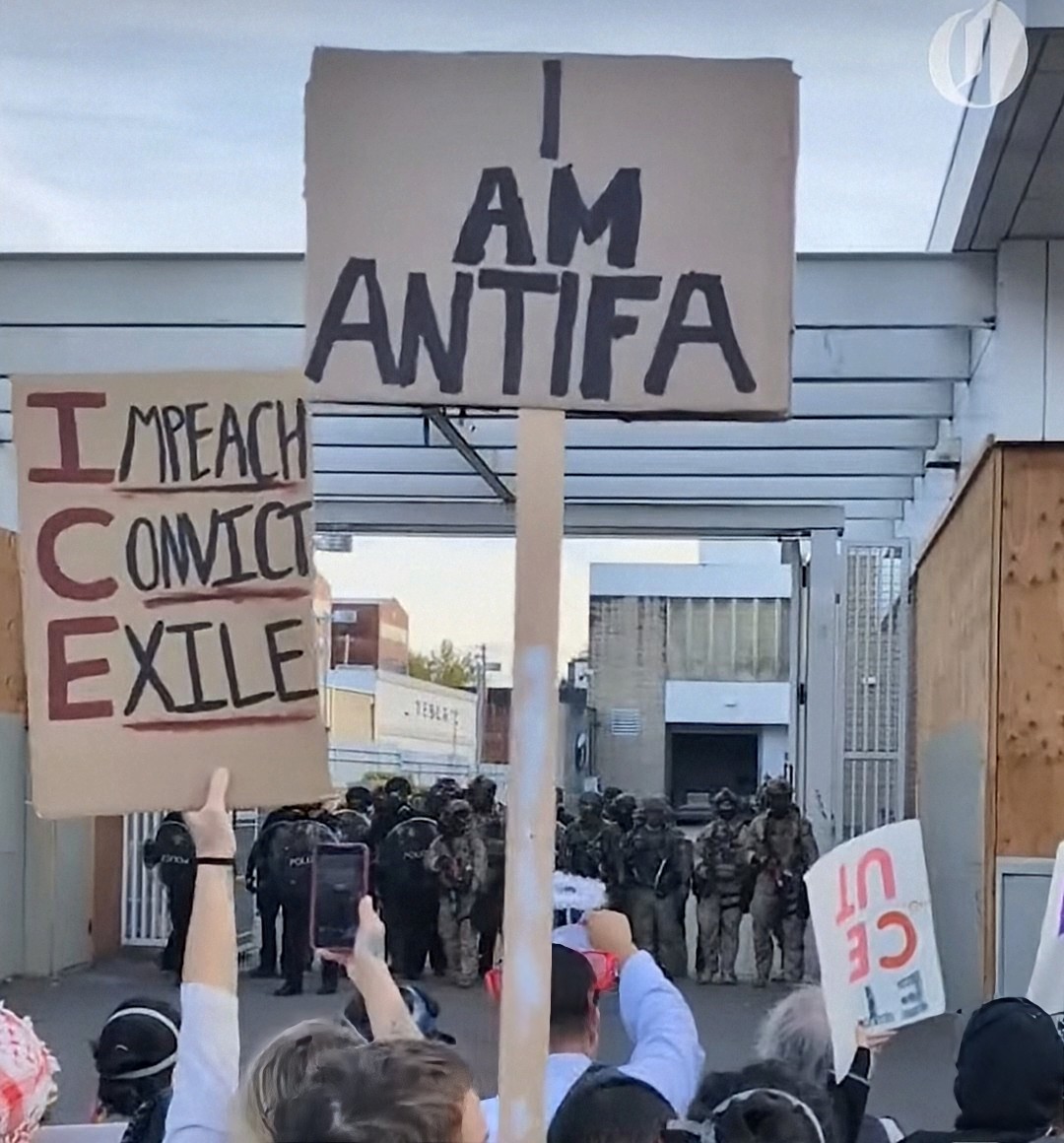
The protests were peaceful, with a core commitment to nonviolence emphasized by all organizers. Events included marches, rallies, and strikes, such as AFSCME 3299 workers striking at the University of California and UNITE HERE Local 274 actions in Philadelphia. The focus on Kilmar Abrego Garcia’s case became a rallying cry, with his wife, Jennifer Vasquez Sura, speaking in Washington, D.C., to demand his return.
Organizers also tied the protests to broader global May Day demonstrations, with parallel rallies in Asia and Europe opposing Trump’s tariffs and policies. In the U.S., the protests aim to influence the 2026 elections by pressuring Republican lawmakers and supporting progressive candidates. U.S. Representative Alexandria Ocasio-Cortez warned in New York, “Trump and the Republican majority in the U.S. Congress are going after Medicaid next,” urging continued resistance.
Mobilize.us/indivisible offers resources to find or start local events. The May Day protests signal a resistance movement, uniting groups for their perceived fairness and democracy.
Check out this video from YouTube featuring a Trump supporter as he explores and interviews participants at the May Day protests.






.jpg)
Leave a Reply