


Undocumented immigrants are part of the U.S. economy, working jobs in industries like farming, construction, and factories. However, allowing their employment without legal status can lead to exploitation that can resemble slave labor conditions.
Undocumented workers lack legal protections from dangerous work conditions, making them easy targets for exploitation. How is the Democratic party fueling their slave like labor conditions?
Employers can pay them below minimum wage, deny breaks, or force them to work in dangerous conditions without fear of consequences. This is because undocumented workers often avoid reporting abuses due to deportation fears.
Democrats are vocal about illegal immigrants being able to live and work in the United States. They could break the slave labor cycle by funding and helping the legalization process for undocumented workers. Why aren’t they?
At this moment, the lack of security measures and labor laws for illegal immigrants put illegals in dangerous situations. The Democratic party is allowing this because they allow undocumented labor which promotes the lack of protection for illegal immigrants.
A 2019 study found undocumented workers earn about 42% less than U.S.-born workers and legal immigrants with similar skills, largely because they have no bargaining or legal power. This creates a system where employers profit by underpaying workers.
Many earn less than the federal minimum wage of $7.25 per hour, with 37% receiving substandard wages.
Denying Basic Rights:
Undocumented workers often lack regulated lunch breaks, overtime pay, or safety protections. Wage theft, where employers withhold earned pay, affects 76% of undocumented workers.
Forcing Dangerous Conditions:
Workers face hazardous environments without proper safety gear, increasing risks of injury or illness.
Threatening Deportation:
Employers may use deportation threats to silence complaints, keeping workers compliant.
Where Are Undocumented Workers Employed in the U.S.?
Around 8.3 million undocumented immigrants work in the U.S., making up 5.2% of the workforce.
Undocumented Workers are concentrated in:
Agriculture: Undocumented workers make up 50% of hired field and crop workers, especially in California, Texas, and Florida.

Construction: About 1.5 million work in construction, mainly in states like New York, California, and Texas.
Factories and Food Processing: Roughly 200,000 work in food processing and manufacturing, often in Midwest meatpacking plants.
Service Industries: They account for 10% of leisure and hospitality workers, including restaurants and hotels in cities like Los Angeles and Houston.
What Is the Average Pay for Undocumented Workers?
Undocumented workers earn about $4-$12 per hour on average, compared to $14-$20 for similar jobs held by legal workers.
In agriculture, farmworkers may earn as little as $4-$6 per hour, often below minimum wage.
This pay gap exists because undocumented workers cannot negotiate due to their legal status and fear of deportation.
Case Study: Undocumented Latino Workers in the Midwest A 2011 study published in Race and Social Problems, by T. D. Joseph examined undocumented Mexican farmworkers in the Midwest.
The study, titled “My Life Was Filled With Constant Anxiety”: Anti-Immigrant Discrimination, found that these workers faced extreme exploitation.
Participants reported working 12-16 hour days in fields, handling pesticides without protective gear, and earning $5-$7 per hour.
Employers often withheld wages, and workers faced verbal abuse, including threats of deportation.
The study highlighted how “rigid work demands, hard physical labor, and employer exploitation” led to high levels of anxiety and depression.
One worker stated, “I live in fear every day, not just of losing my job but of being sent away from my family.” This case underscores how undocumented status traps workers in slave-like conditions with no recourse.
Intolerable Conditions and Lack of Rights Undocumented workers face grueling conditions:
Factories: In garment or meatpacking plants, workers endure long hours in poorly ventilated spaces, exposed to chemicals or extreme temperatures.
Farms: Farmworkers handle toxic pesticides, leading to health issues like respiratory problems or skin conditions.
Construction: Workers risk injuries from heavy machinery without access to workers’ compensation.
No HIPAA Protections: Many avoid medical care due to deportation fears, lacking HIPAA-protected healthcare privacy.
No Regulations to Eliminate Inhumane Work Practices: Employers are not mandated to treat undocumented workers fairly and humainly. Undocumented workers have zero protection against inhumane work environments.
Anything can happen to an undocumented employee, and no one would know, since everything about them is undocumented which could put them in dangerous situations.
No Regulated Breaks or Lunches: Employers often deny mandated lunch or rest breaks, exploiting workers’ vulnerability. These conditions violate labor laws, but undocumented workers rarely report abuses due to fear of retaliation.
How Democrats Could Help with Legalization.
The Democratic party has been vocal about not reporting illegal immigrants. Being vocal and protesting cannot change the fact that if someone is living and working illegally in the United States, they may face deportation.
If the Democratic party wants to prevent deportations and improve conditions, they could push for a clearer path to legal status by helping illegal immigrants apply for work visas and permanent residency.
Legalization would grant workers labor protections, fair wages, and the ability to report abuses. Instead of just opposing deportations, Democrats could fund and simplify the legalization process, reducing exploitation.
How the Legalization Process Works
The U.S. Citizenship and Immigration Services (USCIS) manages the process for becoming a legal resident.
Here’s how it works:
Eligibility Check: Undocumented immigrants may qualify for programs like Deferred Action for Childhood Arrivals (DACA) or Temporary Protected Status (TPS) if they meet criteria, such as arriving as children or coming from specific countries.
Sponsorship or Petition: Many need a sponsor (family member or employer) to file a petition, such as Form I-130 (Petition for Alien Relative) or Form I-140 (Immigrant Petition for Alien Worker).
Adjustment of Status: If approved, applicants file Form I-485 to become lawful permanent residents (green card holders), requiring identity proof, background checks, and medical exams.
Costs: Fees include $535 for Form I-130, $700 for Form I-140, and $1,225 for Form I-485 (including biometrics). Legal assistance or document translation can add $2,000-$5,000. Fee waivers are available for some.
Processing Time: The process can take 1-3 years due to backlogs. USCIS: Green Card Process.
Democrats could fund nonprofits or legal aid to cover these costs. A $1 billion federal grant could help 200,000-500,000 workers start applications, reducing their vulnerability.
How to Sponsor an Undocumented Immigrant
Sponsoring an undocumented immigrant involves:
Eligible Sponsor: A U.S. citizen or lawful permanent resident (e.g., family member or employer) can file a petition. Employers often sponsor workers for visas like H-2A (agriculture) or H-2B (non-agricultural).
File a Petition: Submit Form I-130 for family-based sponsorship or Form I-140 for employment-based sponsorship to USCIS. Sponsors must prove financial ability to support the immigrant.
Provide Documentation: Sponsors submit proof of status, income, and relationship (e.g., marriage certificate or employment contract).
Support Through Process: Sponsors may need to file an Affidavit of Support (Form I-864) to show financial support.
Costs and Time: Sponsorship fees are $535-$700, with additional legal costs. The process can take years, especially for family-based petitions from countries like Mexico. USCIS: Sponsorship Information
Undocumented Migrants and National Elections
Texas identified potential noncitizens who may have voted in the 2024 presidential election, detected through voter roll audits enabled by a Trump executive order accessing federal immigration databases.
States like California, New York, and Illinois don’t require proof of U.S. citizenship for voter registration, which can lead to instances of noncitizen voting due to errors or fraud.
How Supporting Undocumented Workers Lowers Wages and Promotes Slave Labor Like Conditions
Supporting undocumented workers without legalizing them depresses wages and causes exploitation. Employers hire undocumented workers at below-market rates, which lowers pay for all low-skilled workers.
A 2015 study found immigration reduced wages for low-skilled U.S. workers by up to 4.7%.
This creates a cycle where: Employers rely on cheap labor, reducing incentives to improve wages or conditions.
Undocumented workers, fearing deportation, accept substandard pay and conditions, resembling forced labor.
Native workers face increased competition, weakening their bargaining power. The AFL-CIO argues that legalizing undocumented workers would reduce wage theft and exploitation, benefiting all workers.
More Information
Economic Contributions: Undocumented workers pay $59.4 billion in federal taxes and $13.6 billion in state and local taxes annually, despite limited access to benefits. cmsny.org
Health Risks: Undocumented workers face higher rates of anxiety, depression, and workplace injuries due to exploitation and deportation fears. Including unreported work related work injuries that could go unreported by employees or employers.
Policy Proposals: The 2021 House reconciliation bill proposed a citizenship pathway for essential workers, but it stalled.
Supporting undocumented workers without legalizing them traps them in exploitative, slave labor-like conditions with low wages, unsafe environments, and no legal way out.
Industries like farming, construction, and factories rely on their labor, but employers could exploit their vulnerability.
Democrats are vocal about illegal immigrants being able to live and work in the United States. They could break this cycle by funding the legalization process through USCIS, costing $2,000-$5,000 per worker.
Sponsorship by family or employers offers a path to legal status, but it’s costly and complex.
Until workers gain legal protections, supporting undocumented labor will continue to drive down wages and perpetuate exploitation, harming both immigrants and native workers.
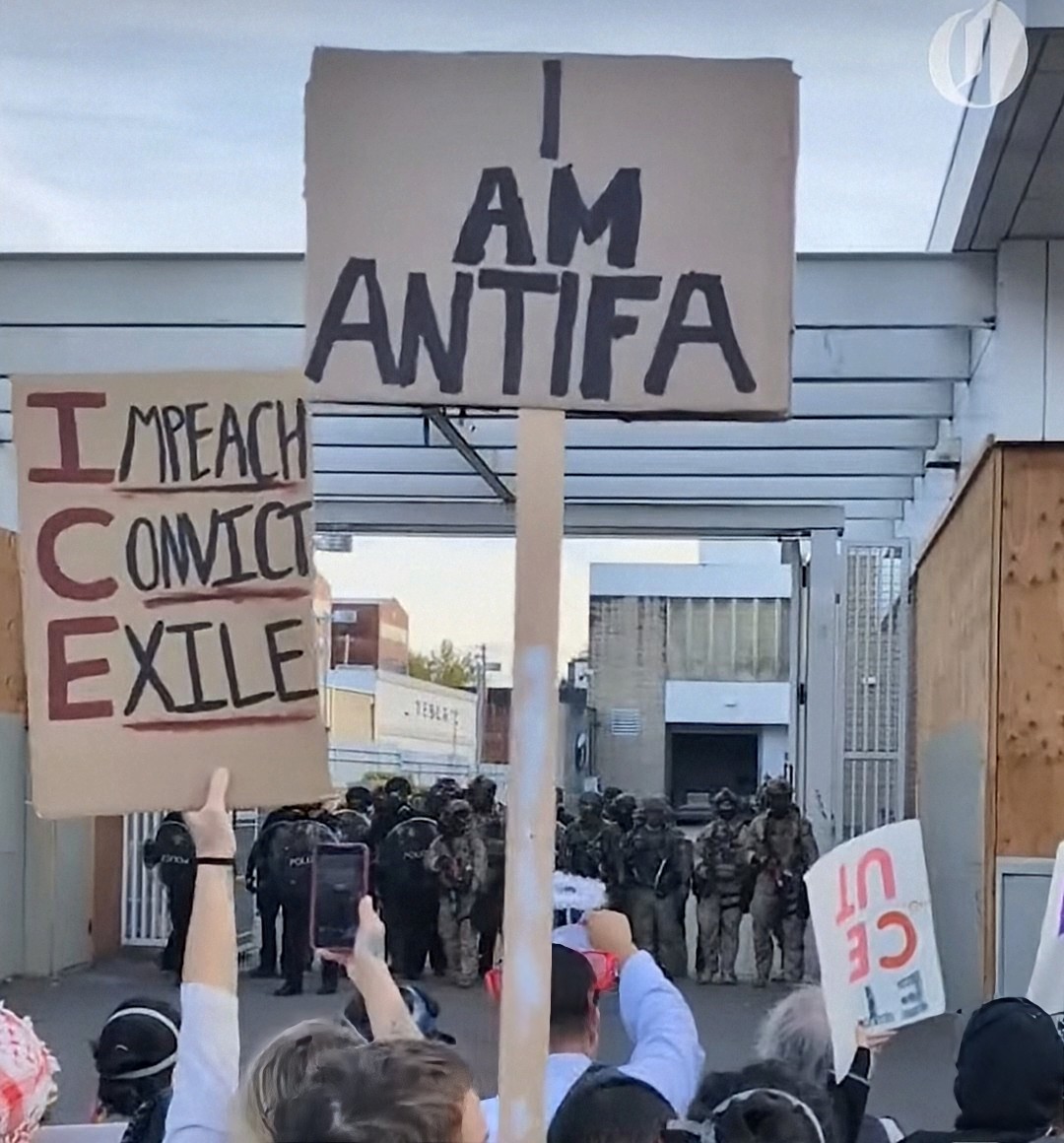
Protesting and attacking ICE agents can only go so far.
If the Democratic party really want illegal immigrants to stay in the United States, legalization of undocumented workers is the right move for fair treatment and economic justice.
Working with immigration law, not against it, would help illegal immigrants benefit and become U.S residents.
The Democratic party has not reportedly attempted to use lawful actions to help undocumented workers gain lawful status, instead they use violent protests and blame tactics, which so far, has not helped the fair treatment of illegal, undocumented immigrants.
Comment below.









Leave a Reply