


New York City mayoral candidate Zohran Mamdani is making waves with his bold plan to raise taxes on millionaires and corporations. His proposals aim to fund ambitious programs to make the city more affordable for working-class residents.
But could these tax hikes push wealthy New Yorkers to leave the state?
Who Is Zohran Mamdani?
Zohran Mamdani, a 33-year-old Democratic socialist, is a New York State Assemblymember representing Queens’ 36th district. Born in Uganda to Indian parents, he was raised in Manhattan and now lives in Queens.
Before politics, Mamdani briefly pursued a rap music career under the stage name Mr. Cardamom, though he didn’t achieve major success.
He entered politics in 2020, winning his assembly seat by defeating a four-term incumbent, and was re-elected unopposed in 2022 and 2024.
Mamdani’s political stance aligns with progressive figures like Alexandria Ocasio-Cortez and Bernie Sanders, who have endorsed his campaign.
Ties to Democratic Socialists of America
Zohran Mamdani is closely connected to the New York City chapter of the Democratic Socialists of America (DSA), a political organization that supports socialist policies and candidates.
He became a member in 2017 and helped with several DSA-supported election campaigns before running for the New York State Assembly in 2020 with their backing.
The DSA endorsed Mamdani for his Assembly race and has also supported his 2025 mayoral campaign, showing strong organizational support. The DSA has also provided Mamdani significant volunteer and strategic support.
Mamdani’s Tax Proposals: What’s the Plan?
Mamdani wants to raise taxes to fund programs like free bus service, universal childcare, rent freezes for stabilized apartments, city-run grocery stores, and a $30 minimum wage by 2030.
His plan includes:
- A 2% tax increase on New Yorkers earning over $1 million annually. This would raise the city’s top income tax rate from 3.876% to 5.876%. Combined with state and federal taxes, the total tax rate for high earners could reach 53.776%, the highest in the U.S.
- Raising the corporate tax rate from 7.25% to 11.5%, matching New Jersey’s rate. Mamdani estimates this would generate $5 billion annually, while the millionaire tax would bring in $4 billion. Together, these hikes could raise $9 billion a year to fund his initiatives.
In an interview, Mamdani said, “We’re seeing that our vision to tax the top 1% of New Yorkers — these are New Yorkers who make a million dollars a year or more — and our proposal to just tax them by 2% additional, is something that has broad support.”
Why Raise Taxes?
Mamdani argues that NYC’s high cost of living is pushing working-class residents out.
He points to stark income inequality, noting that the top 1% earn 35% of all income in the city. His tax plan targets the wealthiest New Yorkers and profitable corporations to fund services that benefit everyone, like free childcare and public transit.
He also wants to shift property taxes to “richer and whiter neighborhoods,” claiming the current system unfairly burdens Black, Latino, and working-class homeowners in areas like Jamaica and Brownsville.
Will Wealthy New Yorkers Move?
Critics, including Governor Kathy Hochul, warn that higher taxes could drive millionaires and businesses to lower-tax states like Florida or Texas.
Hochul told the New York Post, “I don’t want to lose any more people to Palm Beach.” Studies, like one from the Tax Foundation, suggest that high taxes can influence migration, especially with remote work making it easier to relocate.
Billionaire Bill Ackman has warned that Mamdani’s policies could make NYC “economically unviable,” and some business owners, like supermarket chain owner John Catsimatidis, have threatened to leave or sell their businesses.
However, others argue the impact might be limited. The Fiscal Policy Center notes that NYC’s top 1% leave at a lower rate than other income groups, and the city continues to attract new millionaires.
Despite COVID-related losses, NYC’s millionaire population has doubled over the past decade to over 2.4 million. Factors like lifestyle, culture, and business opportunities keep the wealthy in NYC, suggesting tax hikes might not trigger a mass exodus.
Other Key Policies Mamdani Wants to Change
Beyond taxes, Mamdani’s platform includes:
- Free bus service to boost economic benefits and reduce transit costs.
- Rent freezes for 2.4 million stabilized apartments to ease housing costs.
- City-owned grocery stores to lower food prices, addressing “halal-flation” for street vendors.
- Universal childcare for kids aged six weeks to five years.
- A new Department of Community Safety to handle mental health crises, separate from the police.
- Building 200,000 affordable housing units over a decade and doubling public housing funds.
Mamdani also supports congestion pricing to reduce smog and traffic and has shifted from earlier calls to defund the police, now favoring maintaining the current police force size while curbing overtime budgets.
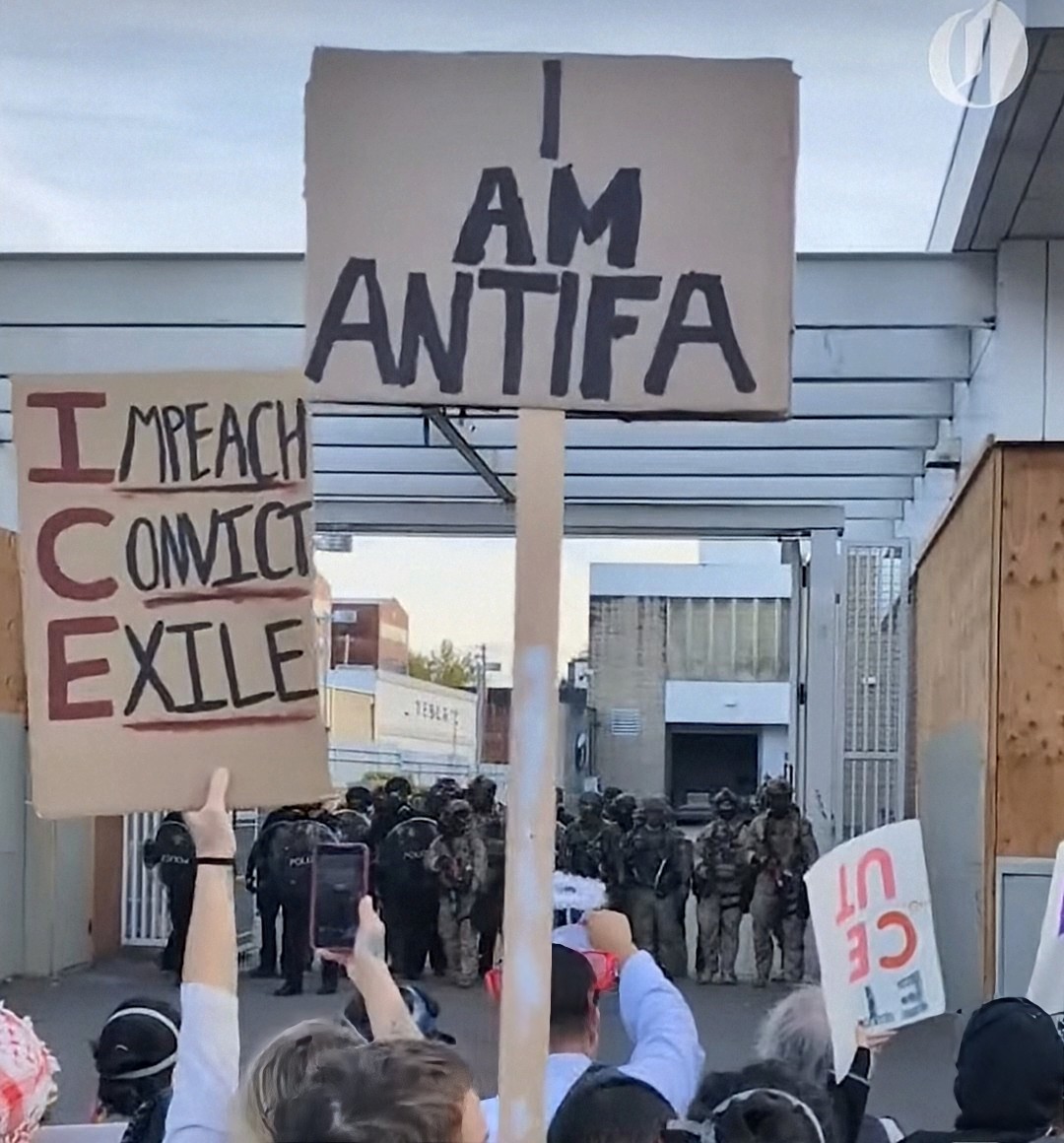
Mamdani’s official website also talks about “Trump-Proofing NYC”, which is described as “getting ICE out of all City facilities and ending any cooperation”.
Challenges to Mamdani’s Plans
Mamdani’s tax hikes face a major hurdle: they require approval from the state legislature and Governor Hochul, who has opposed new taxes. His $30 minimum wage proposal also needs state backing, and it’s unclear if the City Council can enact it independently.
Critics, like former Treasury Secretary Larry Summers, call his economic policies unrealistic, warning they could harm NYC’s business-friendly environment.
The 2025 NYC Mayoral Election
The NYC mayoral election is set for November 4, 2025, with the winner taking office in January 2026. Mamdani, the Democratic nominee after defeating Andrew Cuomo in the June 24 primary, faces:
- Curtis Sliwa, the Republican nominee and founder of the Guardian Angels.
- Eric Adams, the current mayor, running as an independent.
- A potential independent challenger, possibly funded by wealthy donors like Bill Ackman.
Mamdani’s Controversial Stances
Mamdani’s outspoken criticism of Israel’s actions in Gaza, including calling them “genocide,” has sparked accusations of antisemitism, which he denies.
His refusal to condemn the phrase “globalize the intifada” has drawn criticism from some Jewish voters and Democratic leaders like Hakeem Jeffries.
His proposal to tax “richer and whiter neighborhoods” has also been called racist by conservative commentators, though Mamdani defends it as addressing inequities in the property tax system.
What’s Next?
Mamdani’s campaign has energized young and progressive voters with its focus on affordability and bold ideas.
However, his tax hikes and socialist-leaning policies face resistance from business leaders, moderate Democrats, and Albany’s political establishment.
The November election will test whether New Yorkers embrace his new vision or opt for a more moderate approach.






Leave a Reply